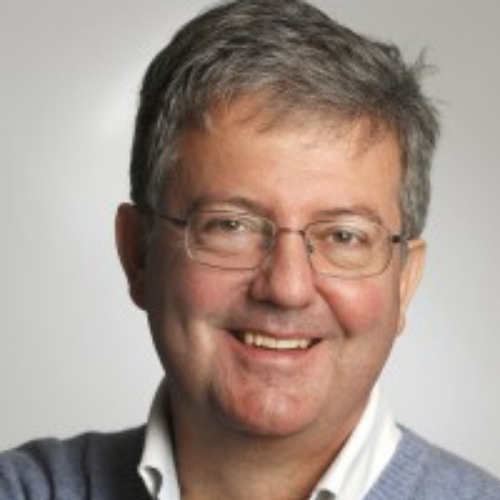
Dr. Stéphane Huberty
Founder and Chief Executive Officer
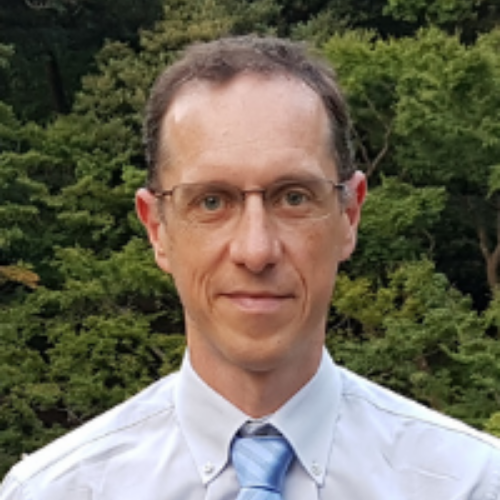
Nicolas Havelange
Chief Operating Officer
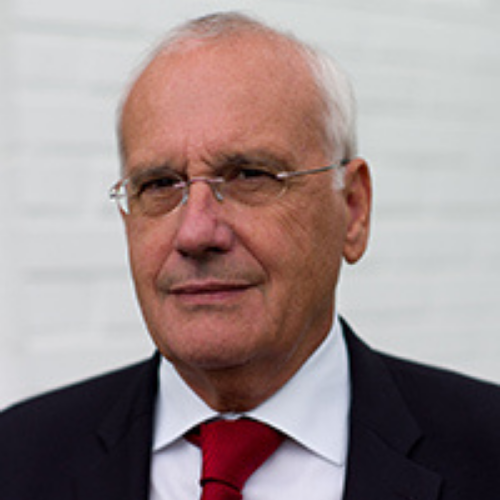
Dr. Jean-Paul Prieels, Ph.D.
Chief Scientific Officer
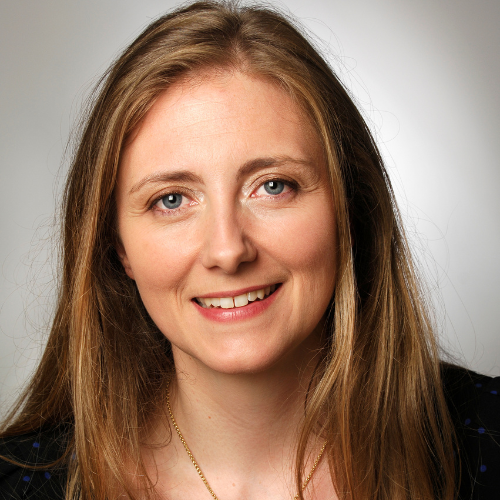
Leone Flynn
CAO
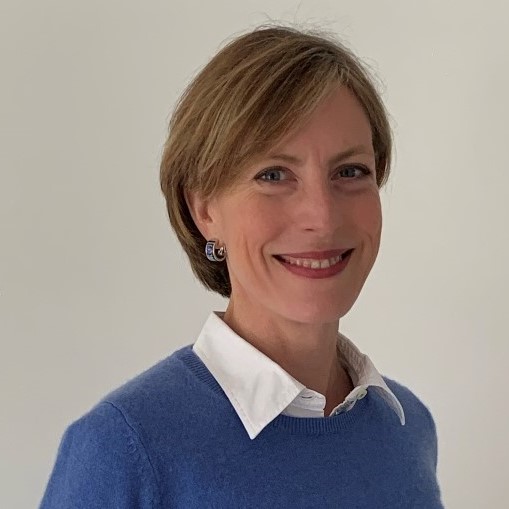
Alexandra Deschner
Investor Relations Advisor
Samuel Osumba
Project manager
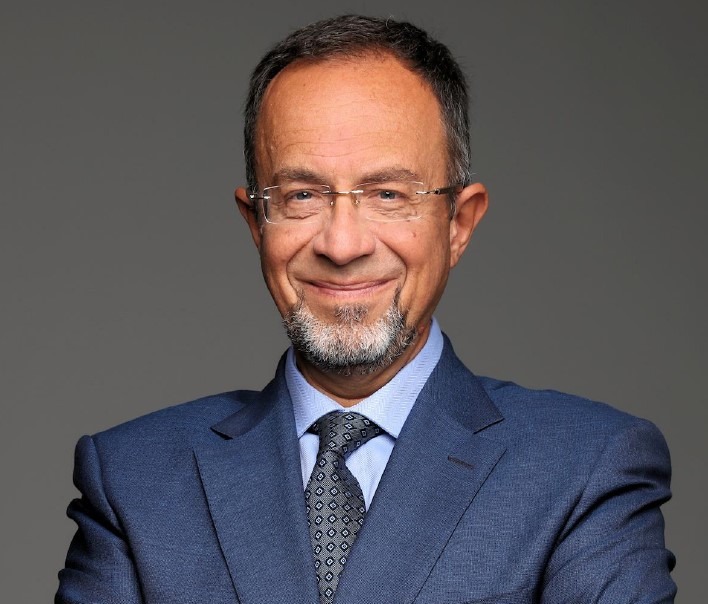
Dimitri F. Dimitriou
Executive Chairman of the Board
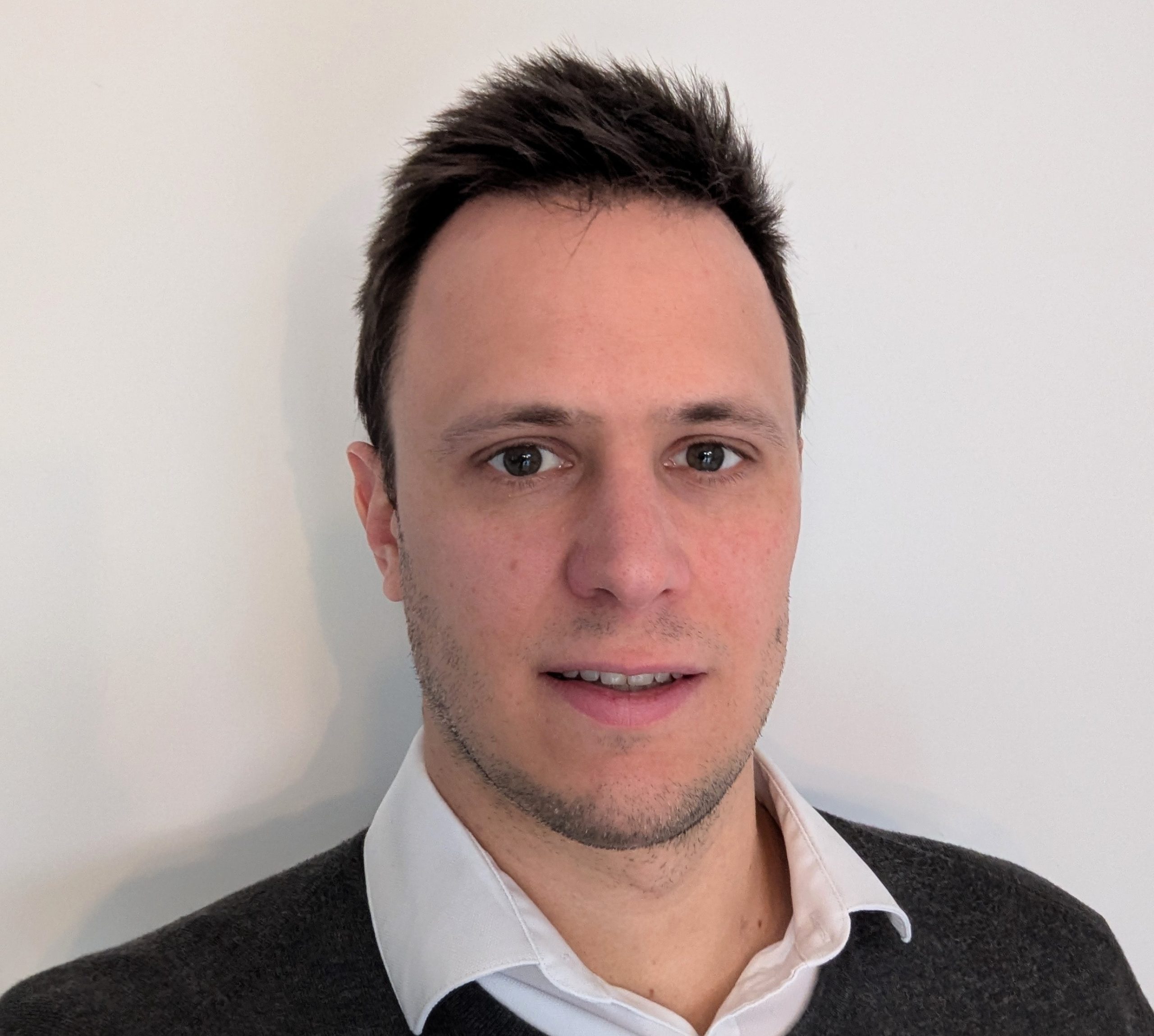
Matthieu André
Chief Financial Officer
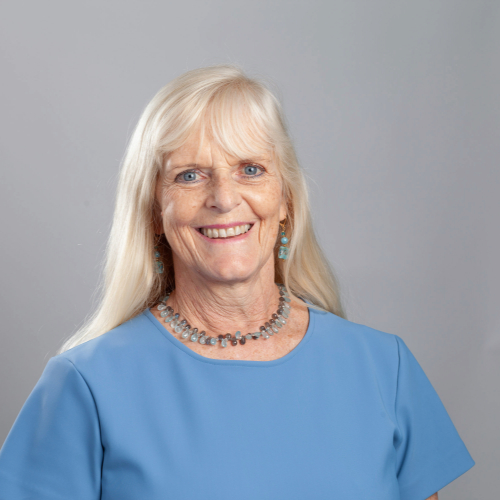
Dr. Melanie Lee, PhD
Dr. Melanie Lee is a former CEO of LifeArc, a UK-based medical research charity focused on translating innovative new science into products and solutions for patients.
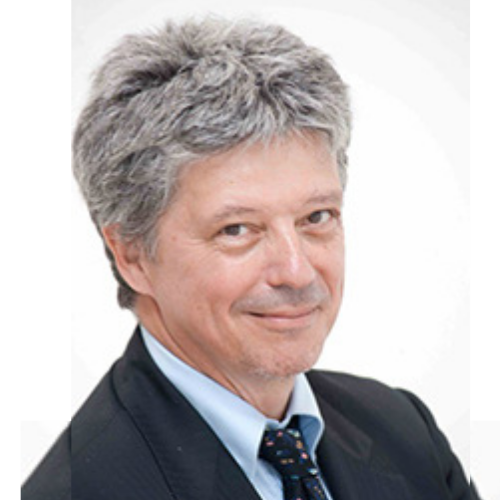
Dr. Didier Hoch, M.D.
CEO of BIOVISION and the World Life Sciences Forum. He is a medical doctor and has more than 25 years of experience in the pharmaceutical and vaccine industries.
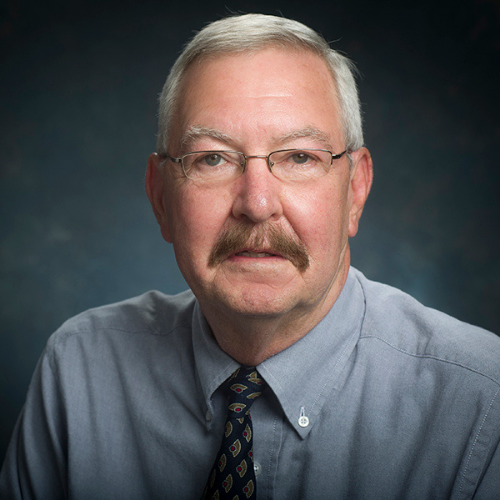
Professor J. Edwin Blalock, PhD
Professor Blalock is a renowned scientist with more than 300 scientific publications in top ranked peer reviewed scientific journals and whose work has been funded all through out his career.
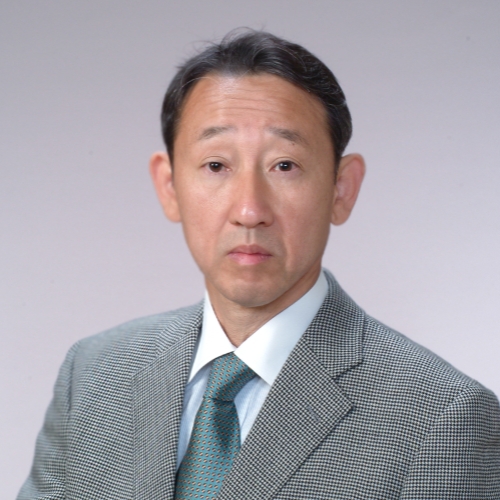
Prof. Shigeru Araga, MD, PhD
He is a Medical Doctor, board certified neurologist in Japan, Associate Professor in Neurology at the Tottori University School of Medicine and former Director of the Fujii Memorial Hospital.
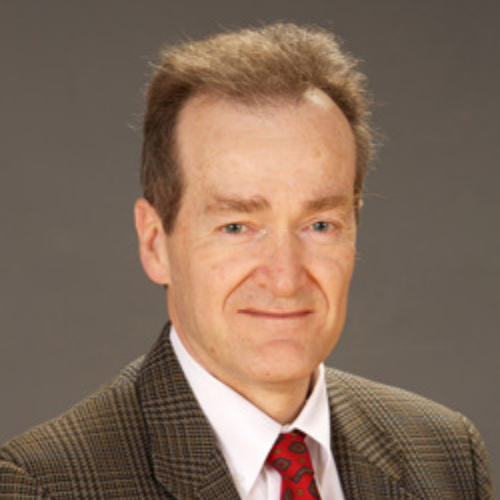
Dr. Bruce Forrest, M.D., MBA
Dr. Forrest has over 25 years of global leadership in pharmaceutical development with specialty expertise in vaccines and biopharmaceuticals development.
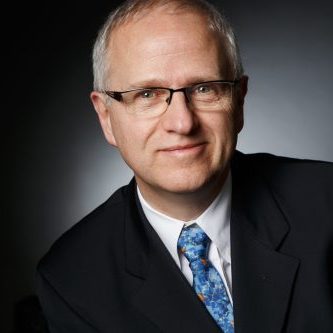
Dr. Eddy Rommel, DVM, MS
Dr. Eddy Rommel has over 35 years of experience in animal research, vaccine quality control, and non-clinical development of biopharmaceuticals.